“I don’t try to photograph ‘something’ anymore, instead I try to interpret it. I look for images that genuinely get closer to that ‘something’. It’s about the feeling in the visual for me.”
Offset, Thread stitch binding, Hardcover
English
Now available!
ISBN 978-3-9813607-4-5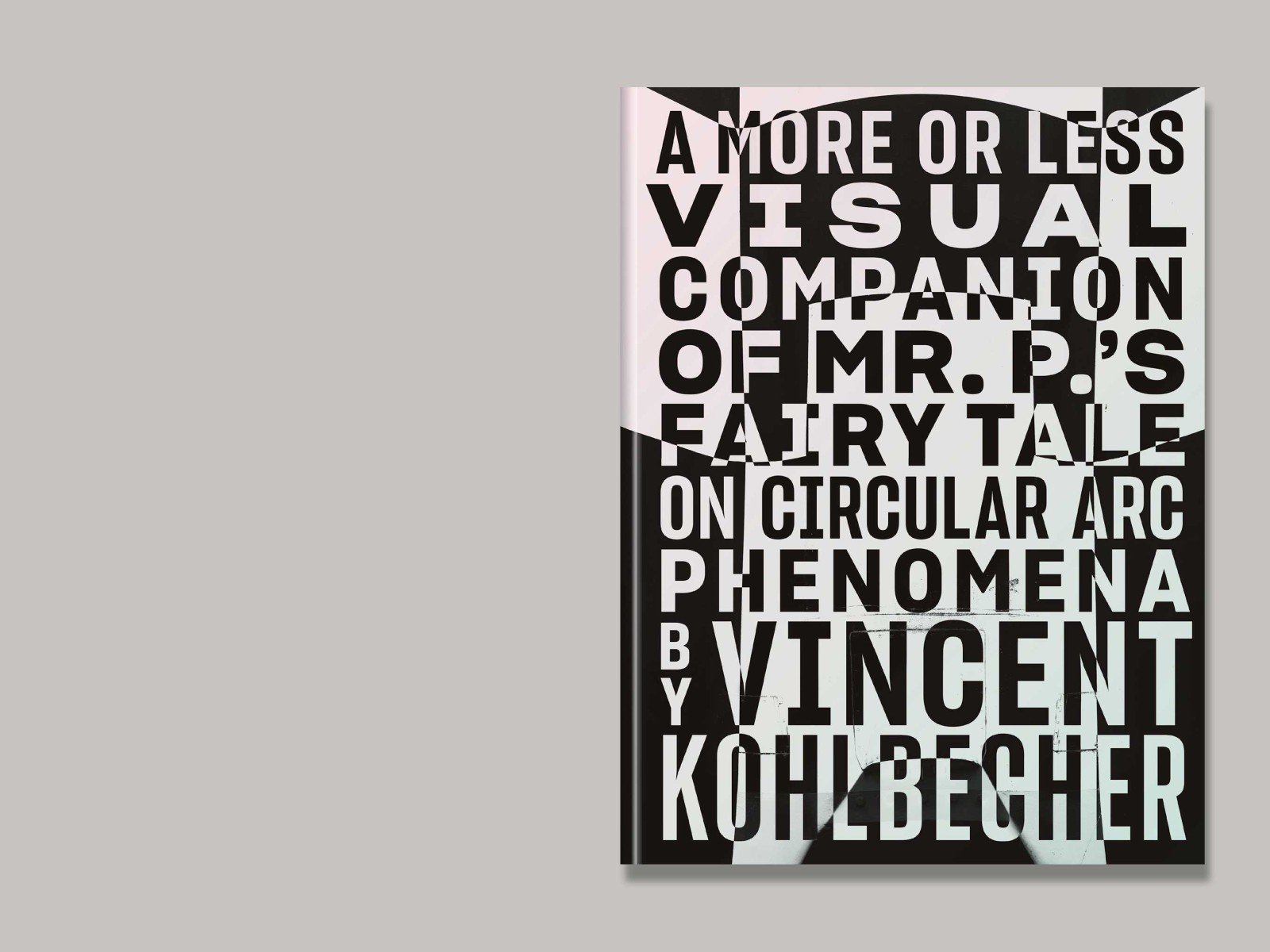

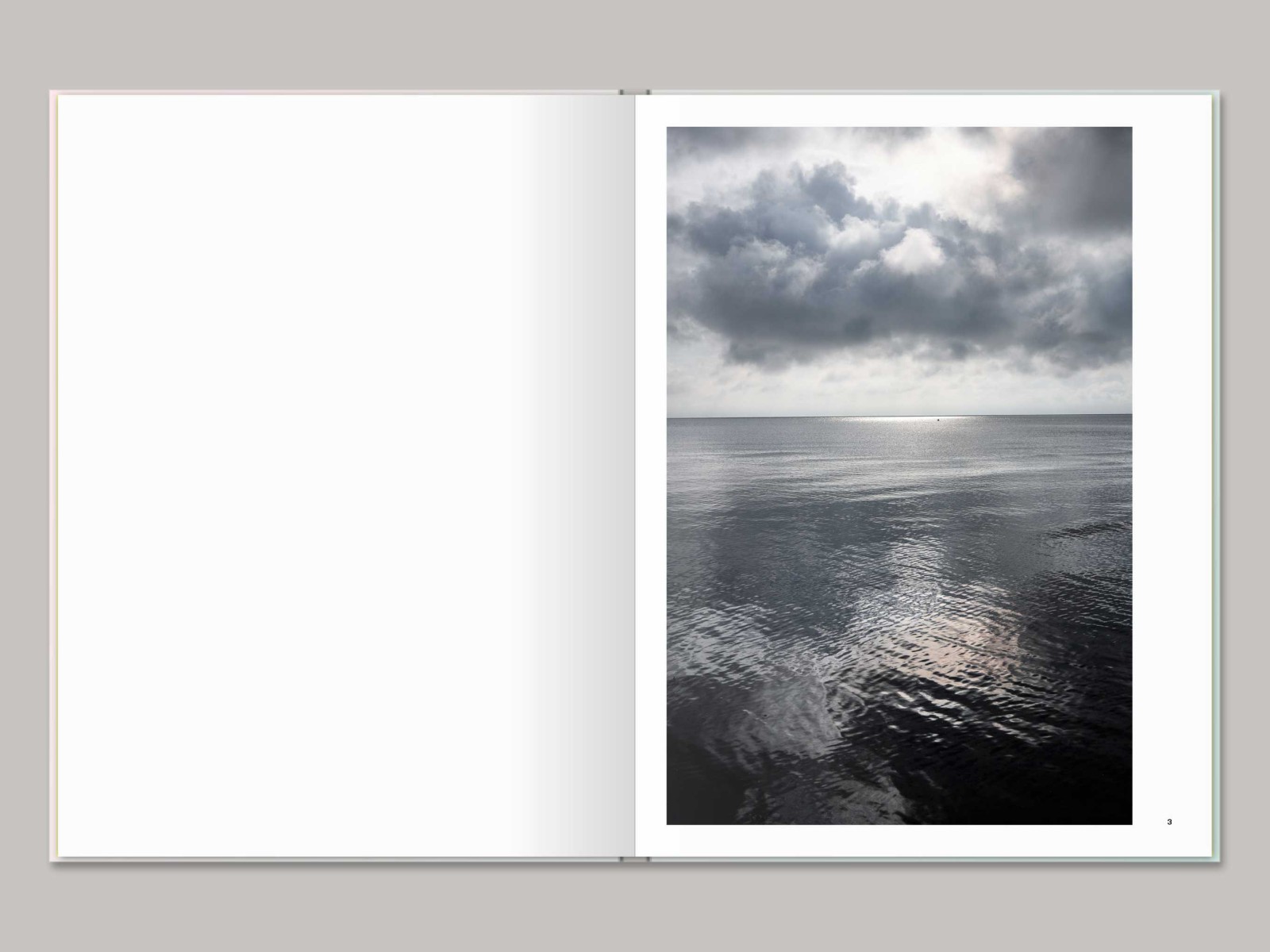
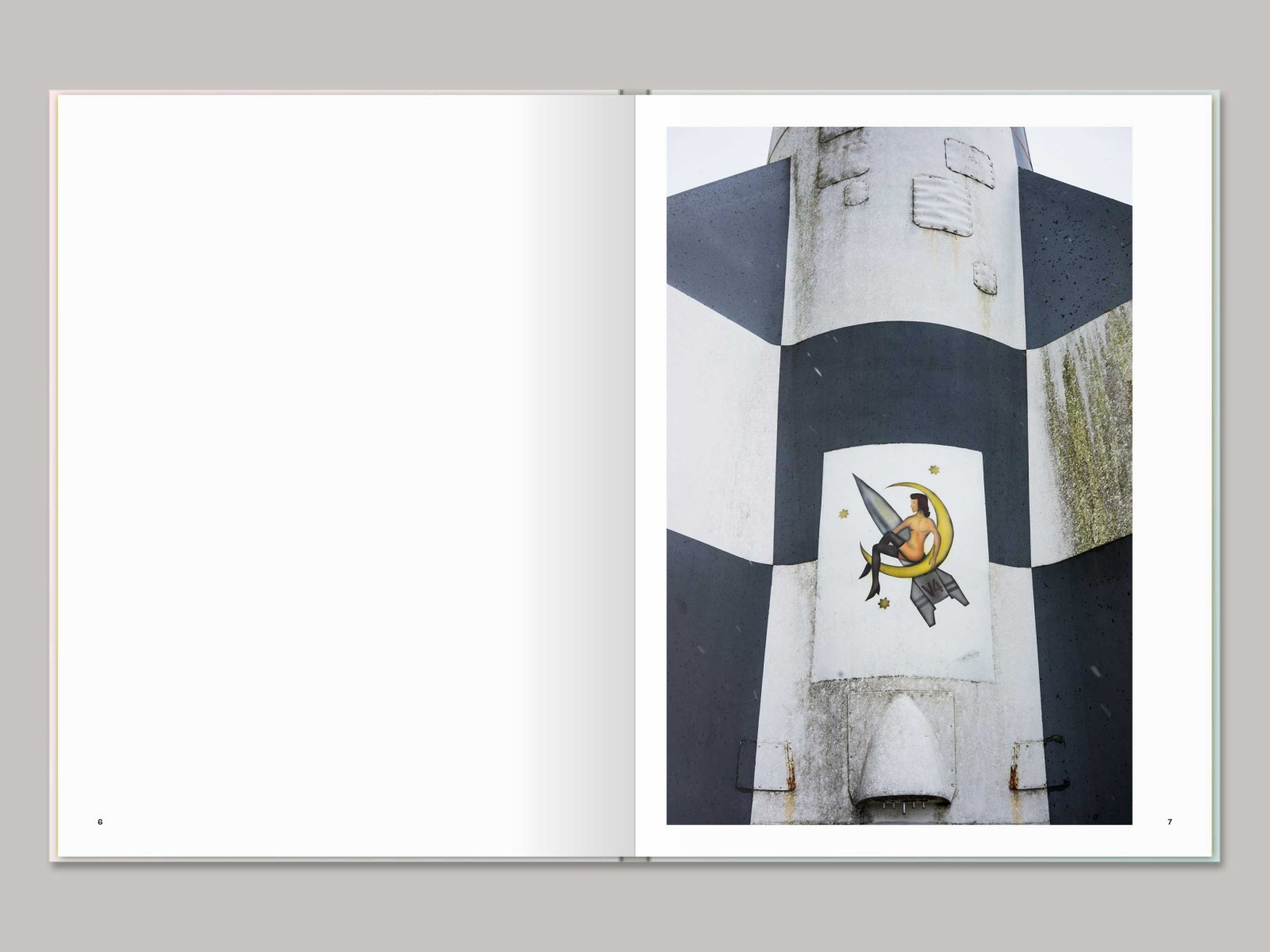
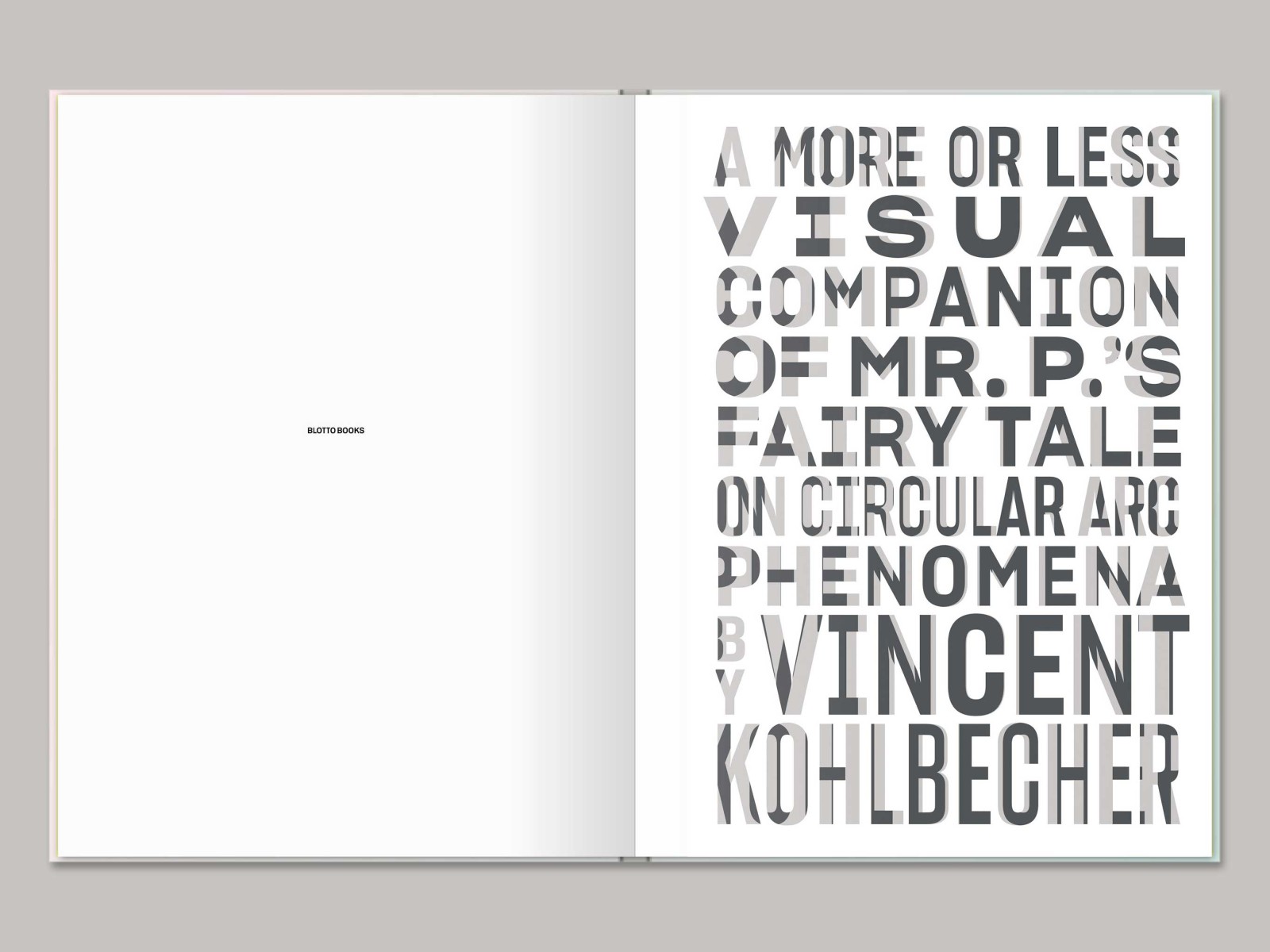
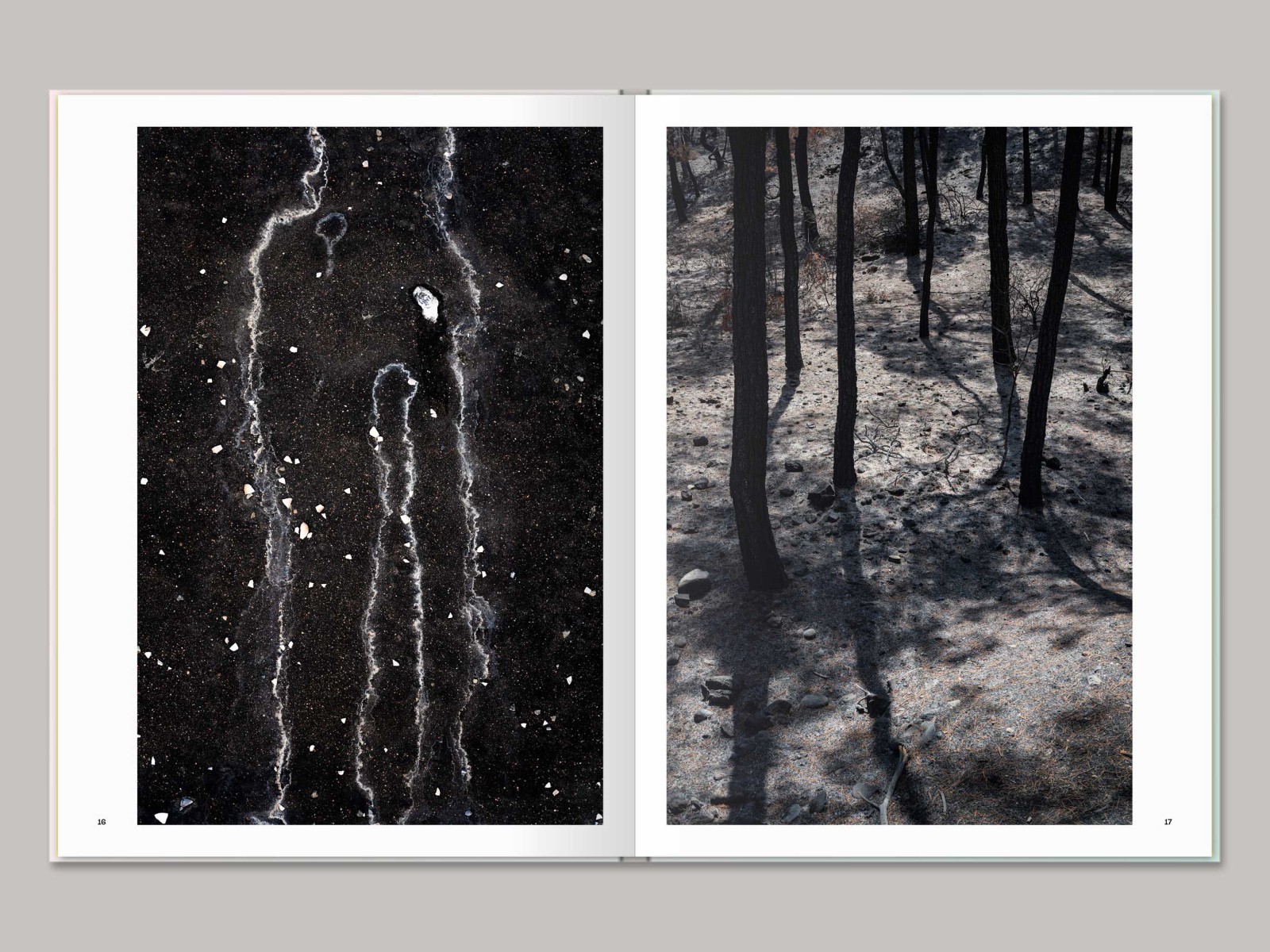
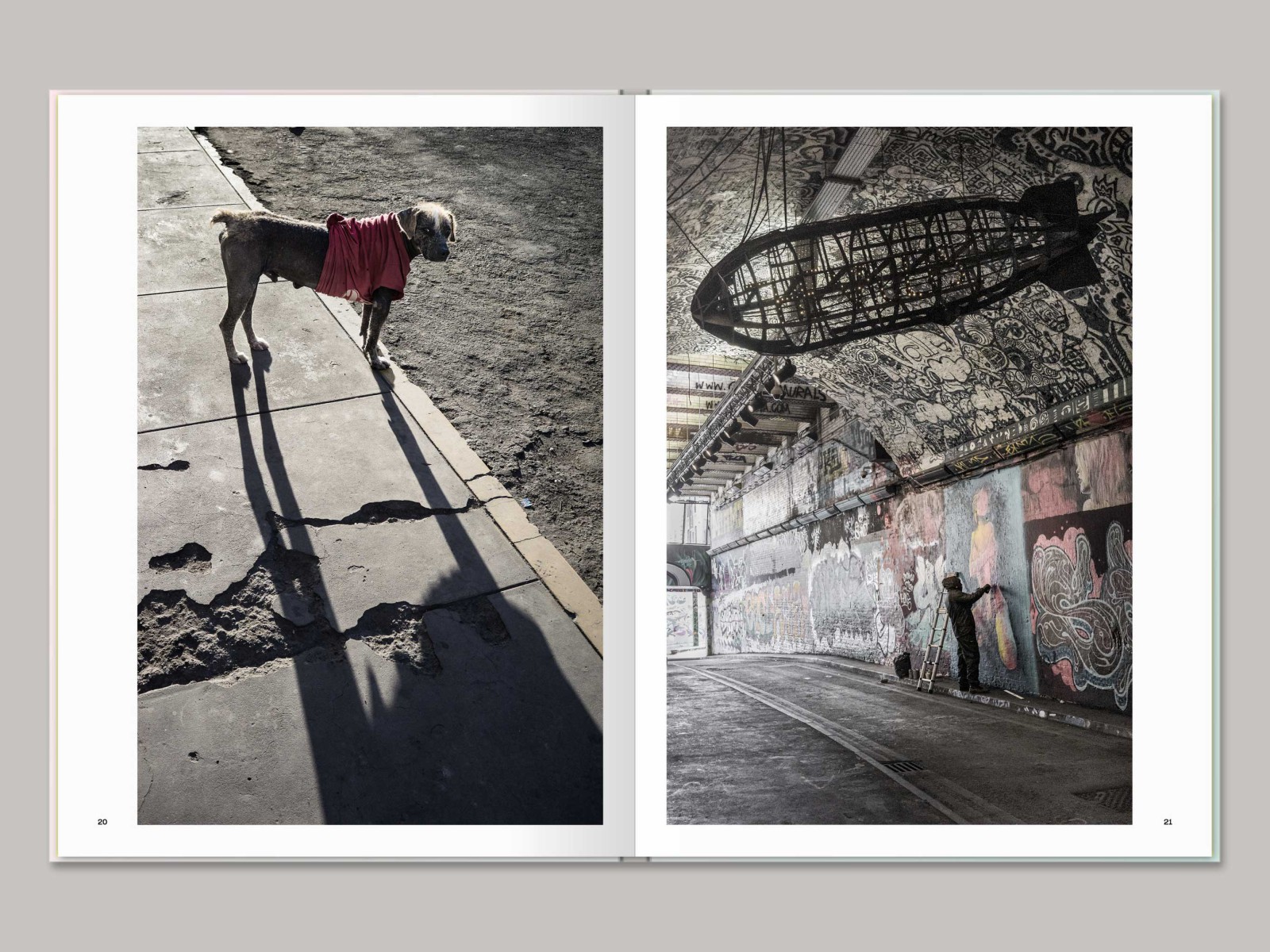
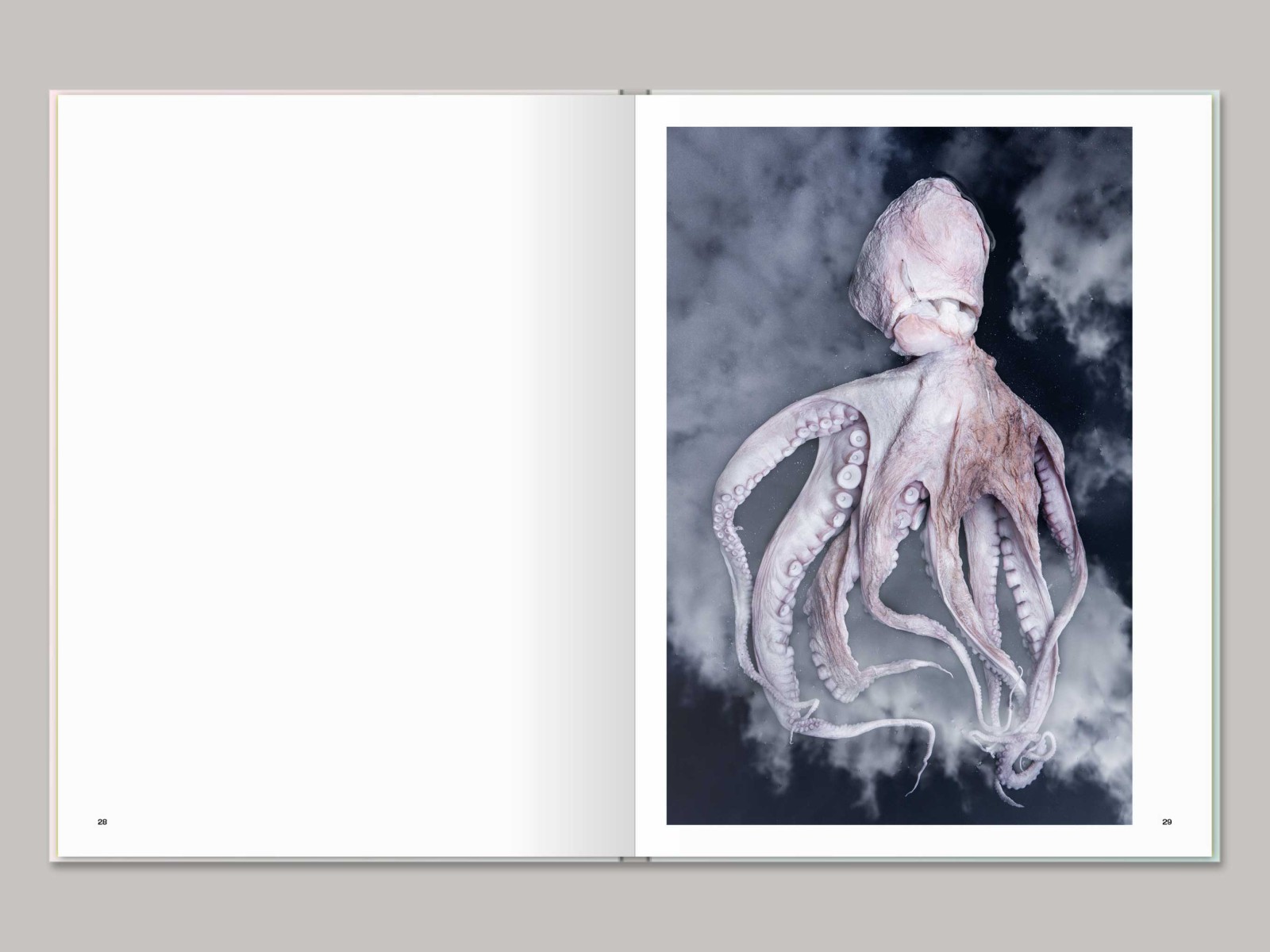
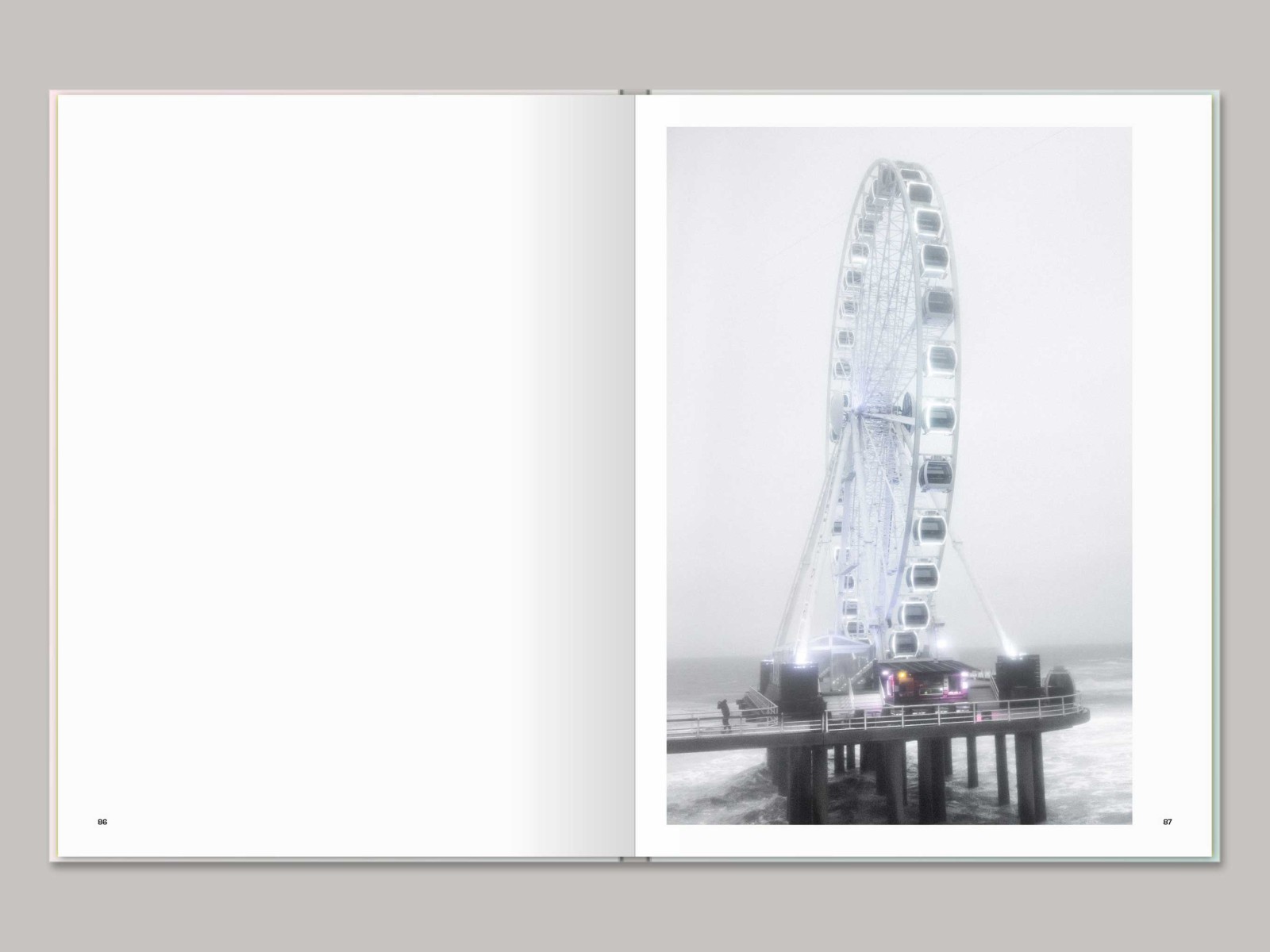
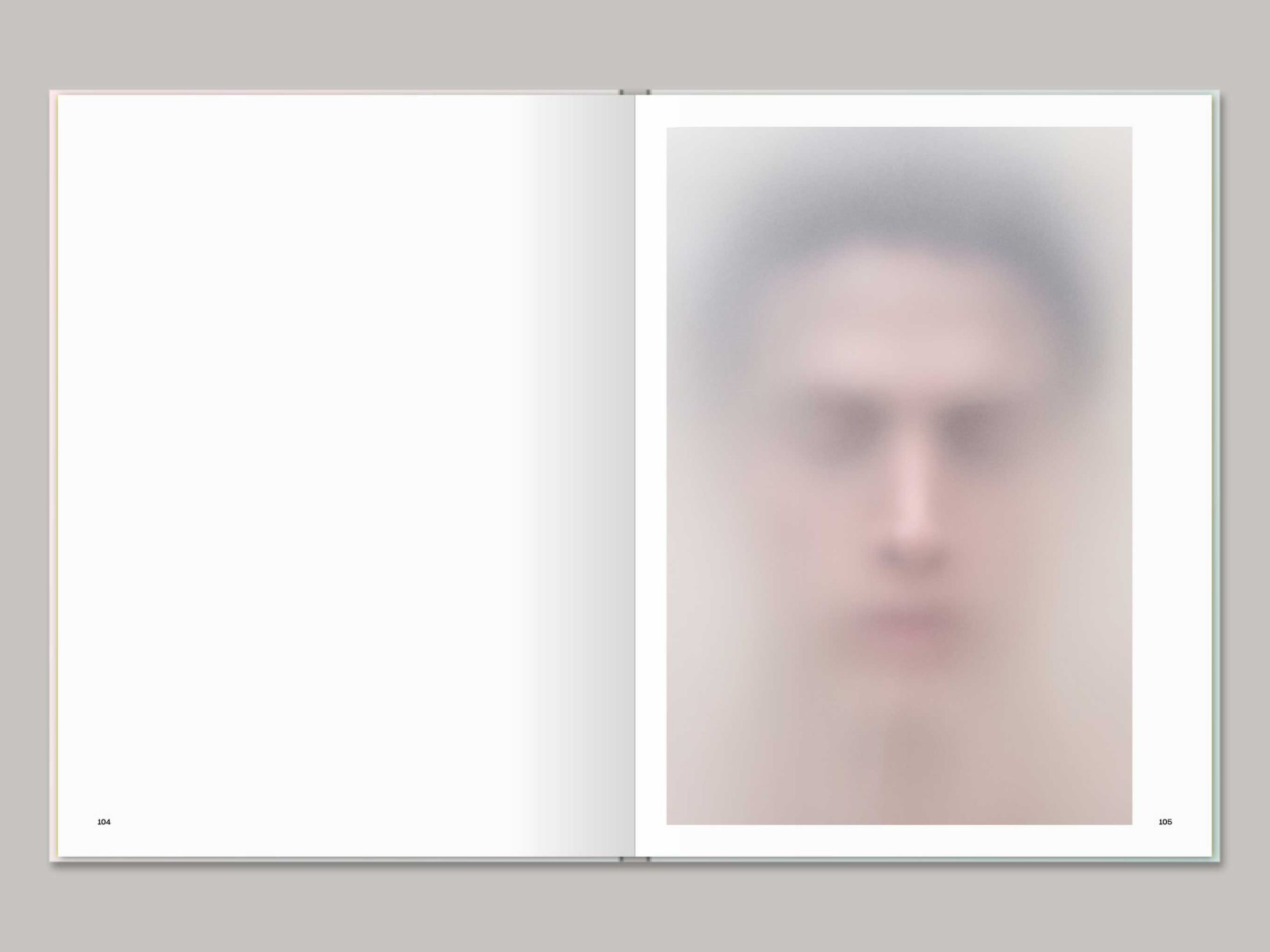
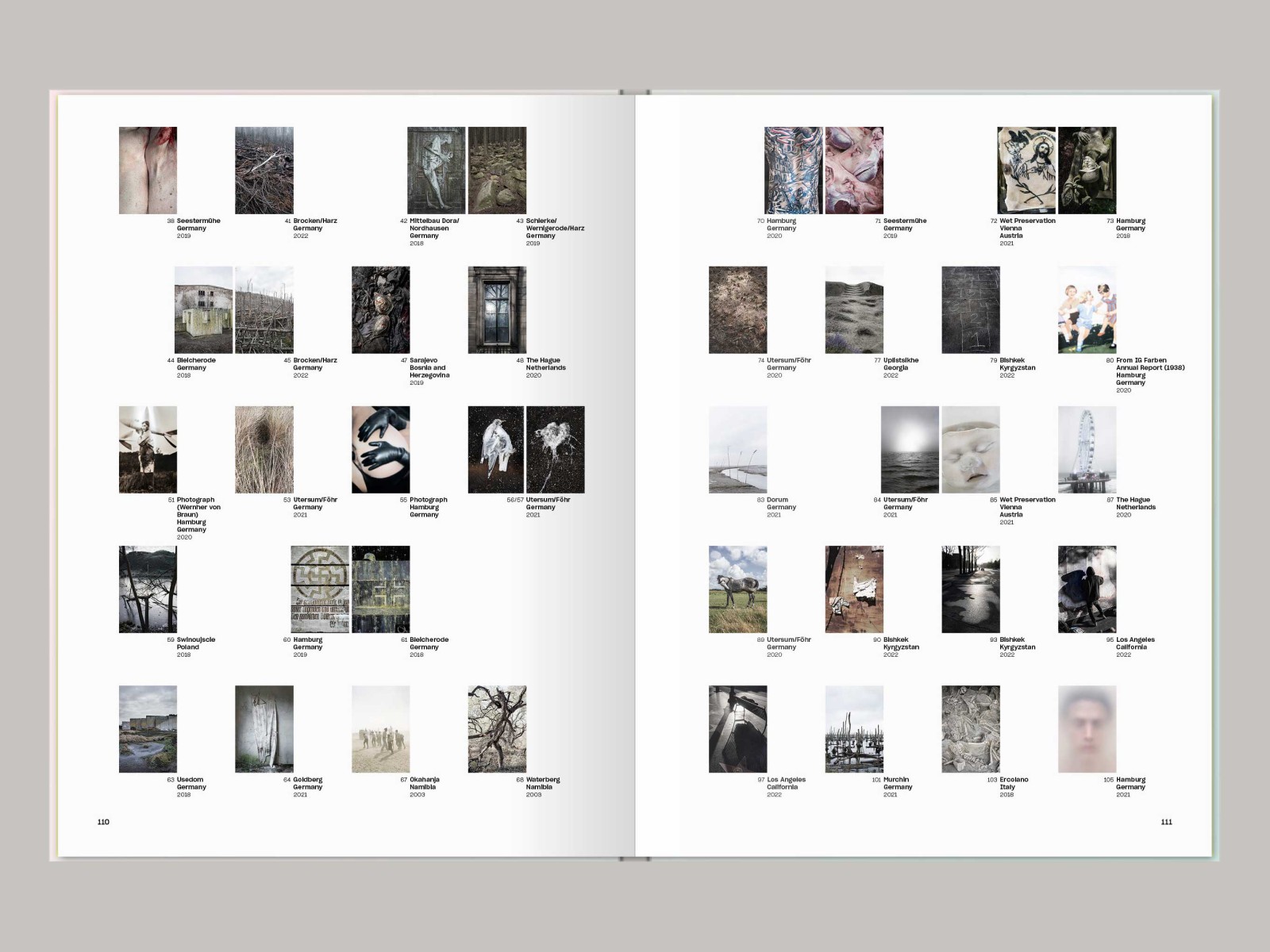
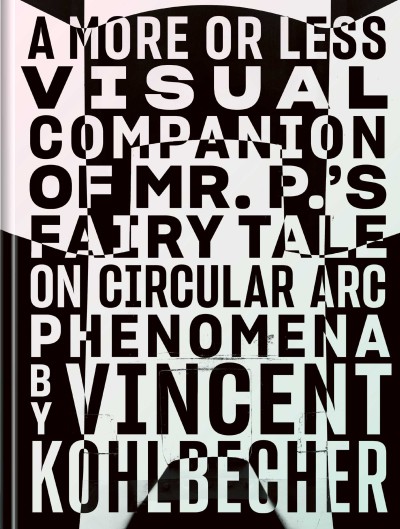
In his new work, Vincent Kohlbecher follows in the footsteps of the novel “Gravity’s Rainbow” by Thomas Pynchon* and translates Pynchon’s paranoid, fragmentary cosmos into a photographic visual world of his own. Over a period of seven years, he travelled to the various places the novel is set in Europe, Africa, Central Asia and America. The result is a series of pictures that have many layers and possible interpretations, and in which reality, projection and fiction all overlap. Kohlbecher describes his way of working as “visual research” – not as an attempt to represent literature, but to think about it in photography.
After his first book “Its Flower Is Hard to Find”, for which Kohlbecher spent many years in search of memories of his childhood, the Catholic faith and German history in Poland, his new work explores a literary cosmos for the first time.
Vincent Kohlbecher follows in the footsteps of Thomas Pynchon’s novel Gravity’s Rainbow – the legendary postmodern novel in which history, myth and paranoia are inextricably intertwined. The mystery at the heart of the novel is the Nazis’ V2 rocket, a symbol of power, destructive masculinity and technological hubris, whose trajectory reaches all the way into the U.S. space programme. Fantasy and reality are mixed with conspiracy theories, obsessions and hallucinatory shifts of reality.
His aim is not to narrate the plot of the novel in pictures or to illustrate particular scenes. Instead, he understands the pictures as his own individual way of approaching the rhythm and the spirit of the book. The space for interpretation is not restricted to individual images, but rather arises especially between the images – in the breaks, jumps and connections.
Vincent Kohlbecher travelled from England to the Côte d’Azur, all across Germany and Eastern Europe, and then on to Namibia, Georgia and Kyrgyzstan, through South America and finally to Hollywood. As he went, the project increasingly became an open process. He often ended up taking completely different pictures than the ones he had originally planned to look for on the journey.
Kohlbecher describes this process as a form of “visual research”. Influenced by the anarchic structure of the novel, he deliberately abandoned the conceptual expectations of documentary photography. Instead of representing “something”, the work attempts to get closer to a feeling. The possibilities of digital photography expand this way of working: many of the pictures simply could not have been taken on an analogue camera.
Together this forms a visual world full of hard cuts, abrupt transitions and unsettling combinations – a visual echo of one of the most enigmatic novels of the 20th century. Perhaps this really does produce a new genre: not a film adaptation of literature, but instead a “photographic adaptation” – a kind of visual secondary literature.
- Thomas Pynchon, Gravity’s Rainbow (1973; translated into German by Elfriede Jelinek and Thomas Piltz, 1981)
Download media kit